Welcome to the Mapmakers Field Guide
Explore drawing tutorials, map tips, and worldbuilding guides inspired by history, geography, and mythology to create fantasy worlds that feel immersive.
Drawing Tutorials
Do you want to learn how to draw fantasy maps for your story? Here you will find a collection of tutorials so you can learn how to draw mountains, forests, canyons, and much more!
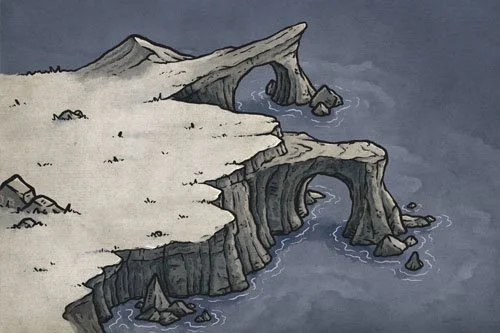
Waves work patiently at the land, and now and then an arch of stone remains, carved by water and weather. Their silhouettes define the shoreline, and become iconic features on your fantasy map.
In this tutorial, I’ll show you how to draw a sea arch, breaking it down into simple steps you can easily follow.
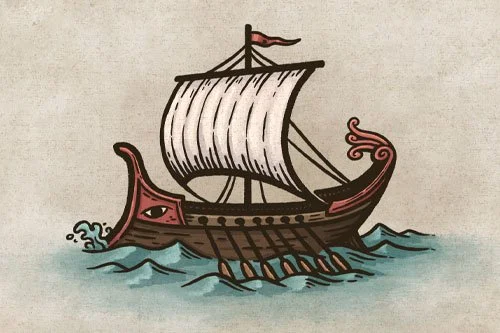
The sea stretches before you, the same wine-dark expanse crossed by Odysseus as he wrestled with gods, monsters, and the whims of fate. Greek ships like his carried stories across the Mediterranean for centuries, their painted eyes watching the horizon for both danger and destiny.

Many of us first fell in love with maps and fantasy while gazing at J.R.R. Tolkien’s map of Middle-earth. Something stirred our imagination as we stared at the Misty Mountains and searched for the entrance to Moria. Inevitably, this led us to want to pick up a pen and draw a map of our own. But where to begin?

The air is heavy with the scent of salt as you trace the winding river to its end. Here, the waters split into countless streams spreading like the roots of a tree into the sea. The soils are rich, teeming with life. A place where civilizations might rise, or secrets might sink beneath the silt.
In this tutorial, I’ll guide you through drawing river deltas that look as though they belong on ancient charts and treasure maps. Features that not only shape the land, but hint at the stories and mysteries flowing through it.

The room is filled with the scent of dust and old wood as you pry open the creaking cellar door. Stacked in the corner are a few battered wood crates, their rough boards concealing who knows what treasures or traps inside.
Every good dungeon, inn or market needs a place to stash supplies or secrets. In this tutorial, I’ll show you how to draw some wood crates that can add a layer of believability or mystery to your fantasy map.

As you enter the tavern, you see a crackling fireplace casting a warm, golden glow across the room, its flickering light dancing on the worn wooden beams and inviting you to rest your weary bones after a long journey.
A fireplace like this isn’t just a detail, it’s a place to gather for your next adventure. But, how do you draw one on your map?

Swamps are a haunting feature of any fantasy map, their still waters and tangled growth hiding stories of mystery. In this tutorial, you’ll learn how to bring these wetlands to life, starting with basic shapes and building up details with simple steps anyone can follow. By the end, you’ll have the skills to create a swamp on your map that your readers or players can explore.
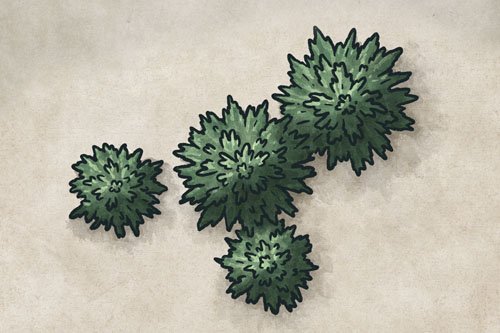
Forests breathe life into your city maps, transforming generic landscapes outside the walls into locations that could a secret tomb or shelter a group of bandits. You never know what secrets might be lurking beneath the boughs! Pine trees can tell you something about the environment of the location. Perhaps it's an area with low-quality soil where only the hardiest trees can grow, or maybe it's an alpine location in the mountains. Either way, using different species of trees is a great way to subtly convey something about a location, which makes for a more immersive story for your players or readers.
Map Tips
Sometimes it's the little tips that make the biggest impact. Whether you're creating maps for a novel or a rpg, this collection of simple tips will help you create more professional and believable maps for your story!
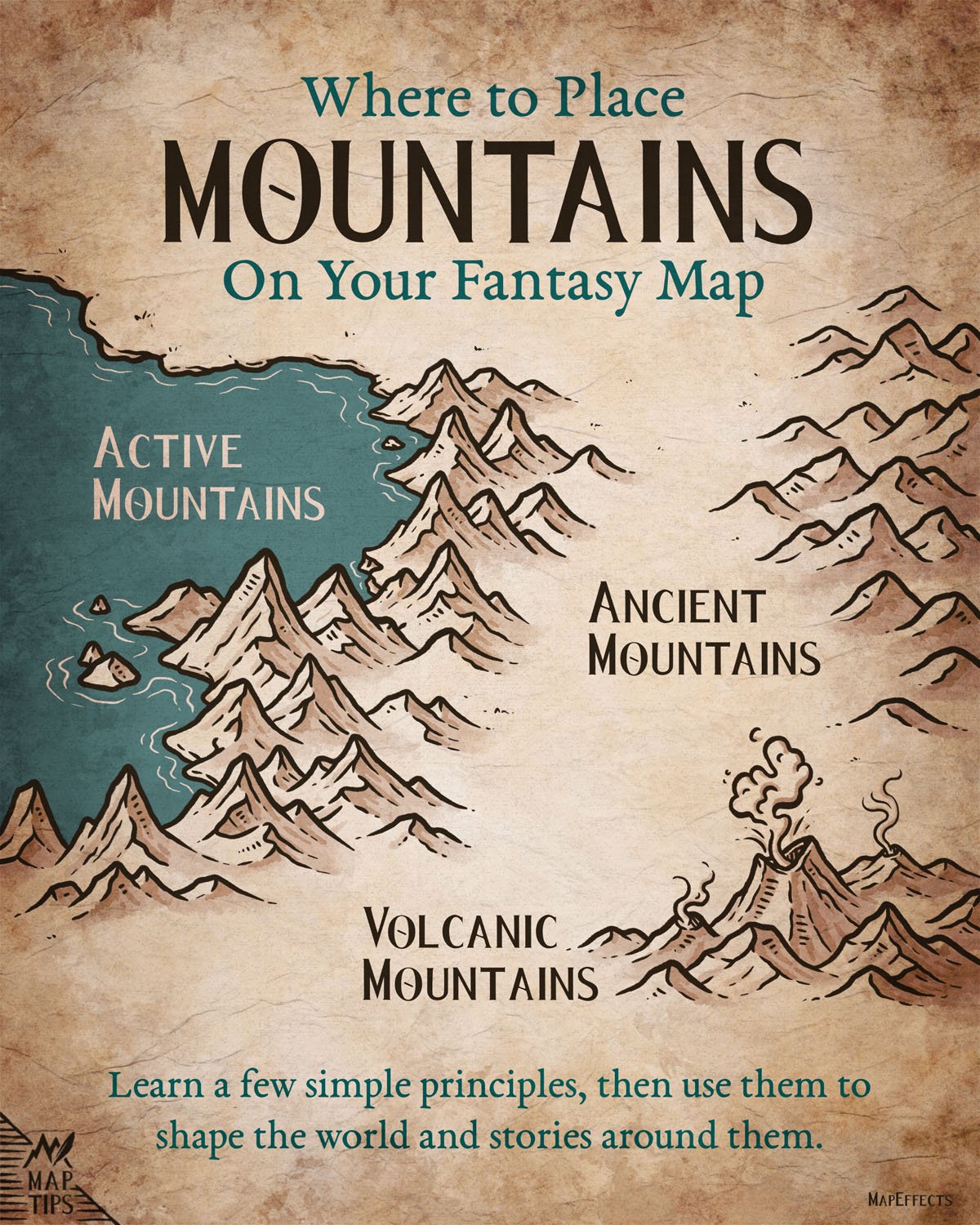
Stop guessing where your mountains should go. Learn three ways ranges form, then use those principles to place mountains in a believable way that serves your story.
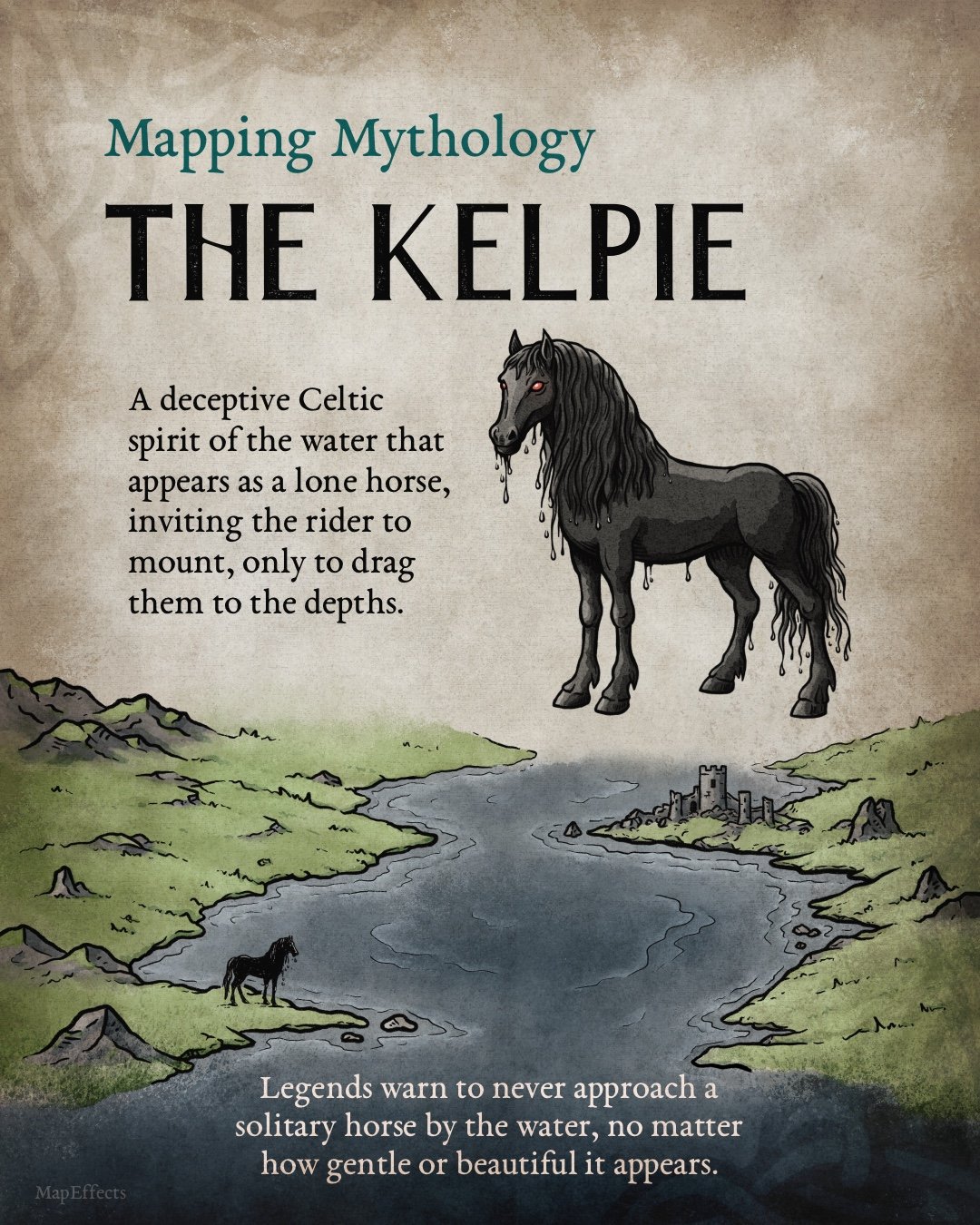
The kelpie is a legendary water spirit from Scottish folklore, known for appearing as a horse near lochs and rivers. Described with a wet mane and an unnatural stillness, it lures the unwary closer before dragging them beneath the water. These stories reflect the real dangers of Scotland’s waterways, where calm surfaces can hide deadly depths.

Have you ever been tripped up by what size to draw the trees on your fantasy maps? Most of us have a desire for our maps to feel realistic, but sometimes this can be more of a hindrance than a help. In this Map Tip, I want to give you a little insight into what scale most map makers draw their trees, what is realistic, and then how much artistic license you have when drawing your maps.
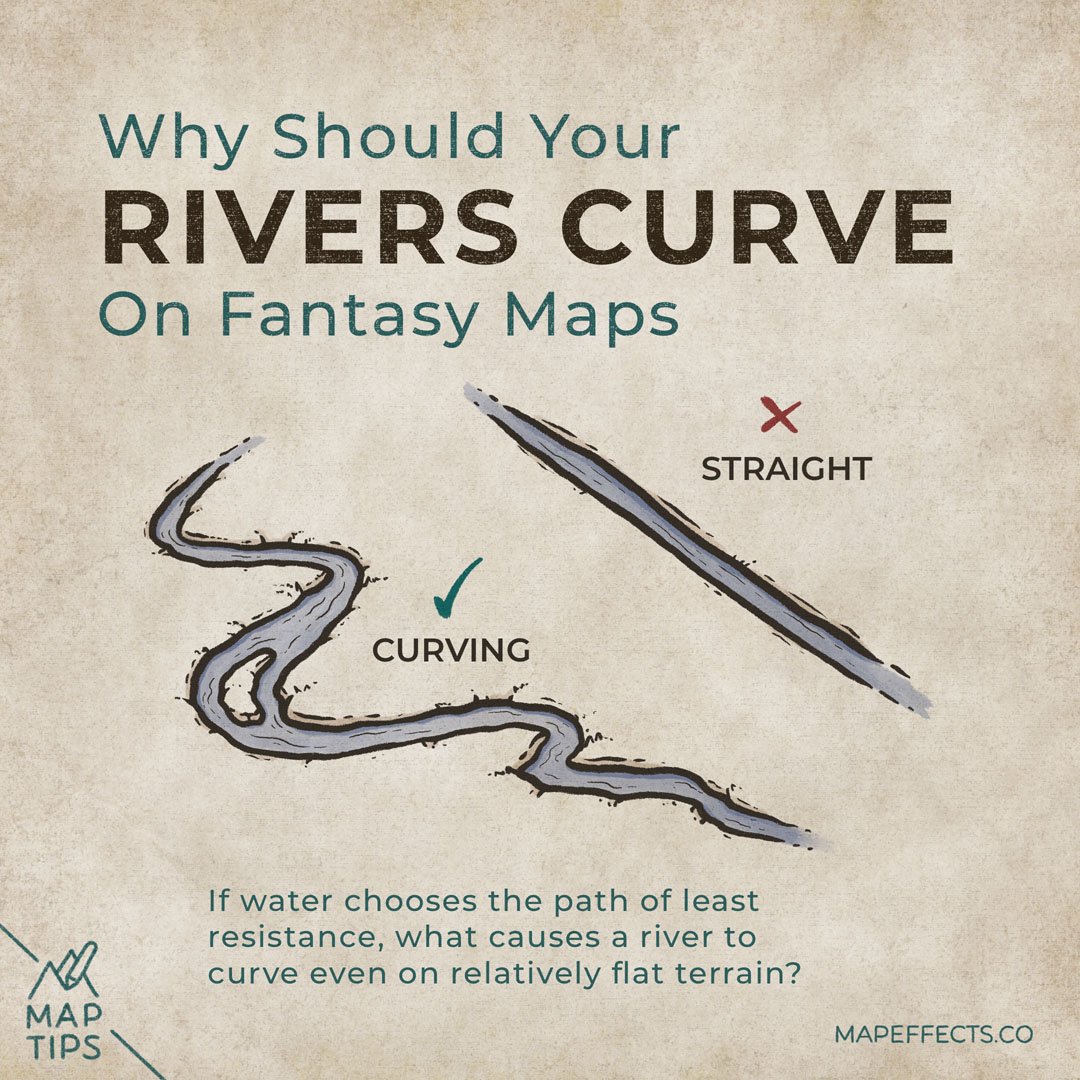
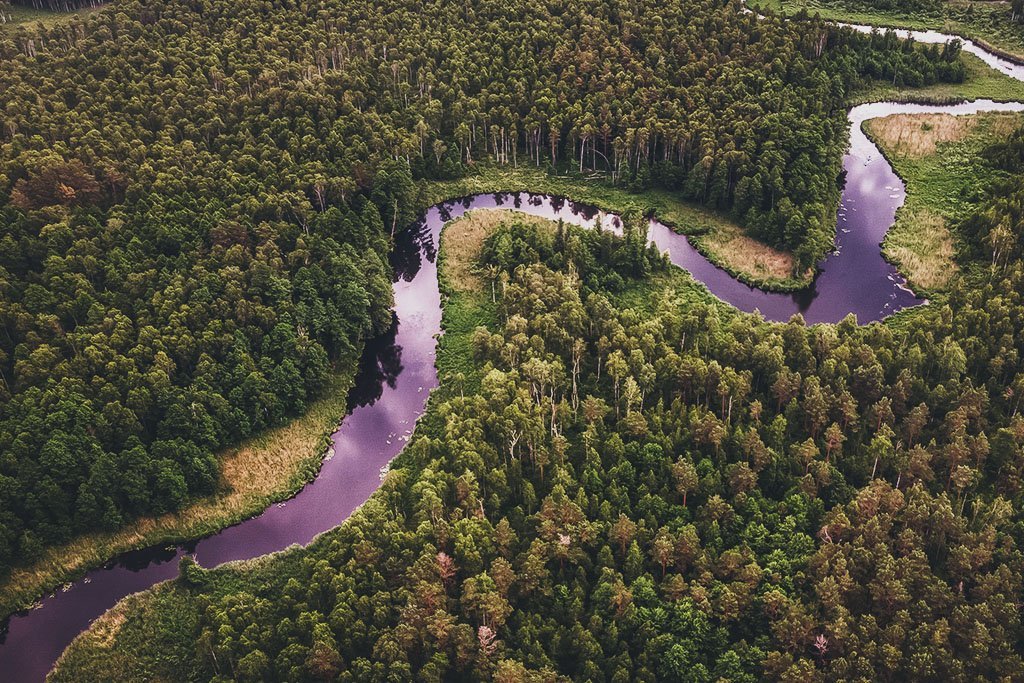
Have you ever wondered whyy rivers meander all over the place on flat terrain? It makes sense for the terrain in the mountains to be diverting the river, but why does it do the same thing on a flat landscape?
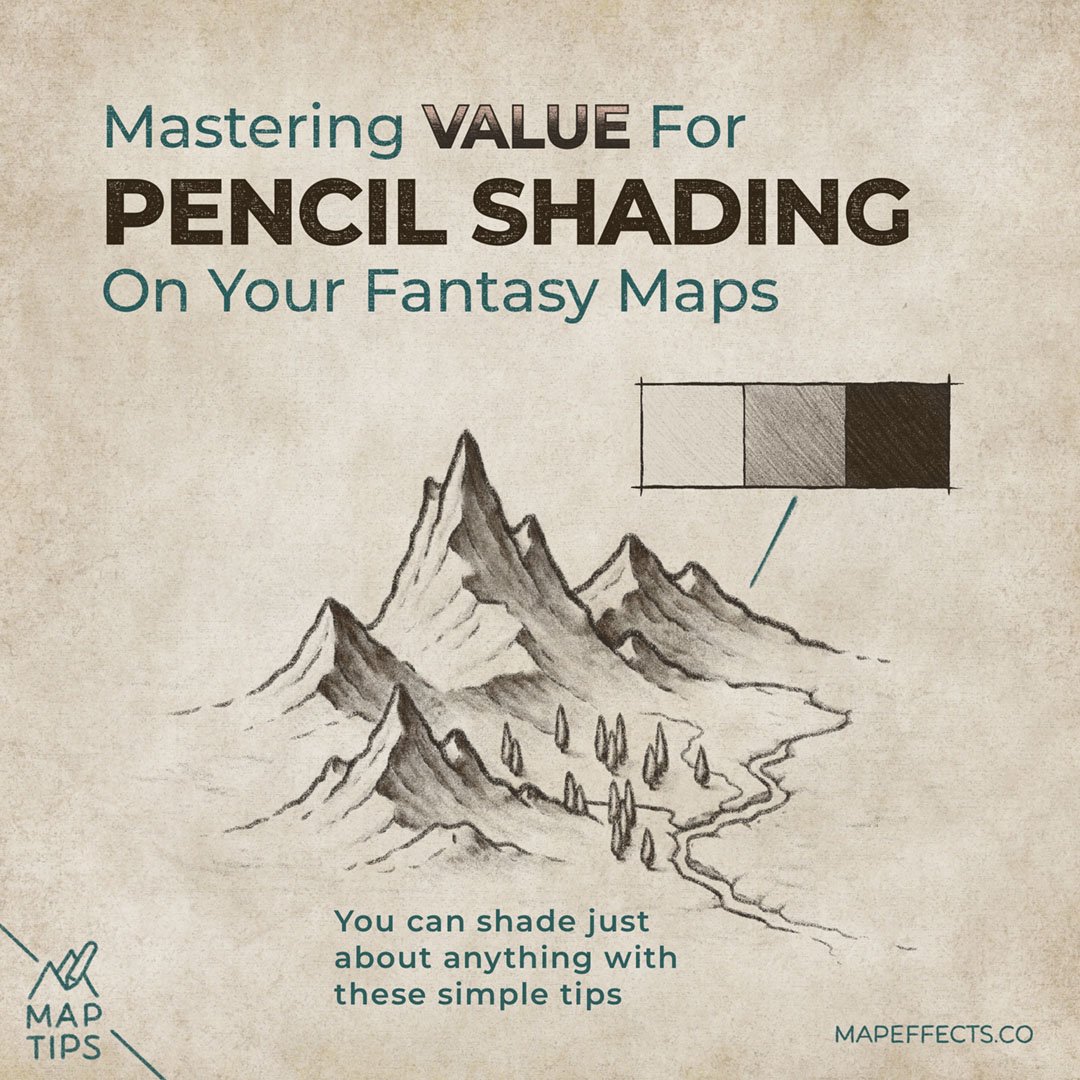
When it comes to art I feel like shading is one of those magical things. There’s just something about transforming a drawing on a flat piece of paper, to something that feels like it’s popping off the page. Just about every aspiring artist and cartographer I know wants to learn how to shade, but it also feels like one of the most intimidating things to learn. While there is certainly room for complexity, I think you can easily achieve more than satisfactory results with just some basic principles. Those simple principles are what I hope to equip you with today, so you can master value and can adding shading to your fantasy maps with ease.
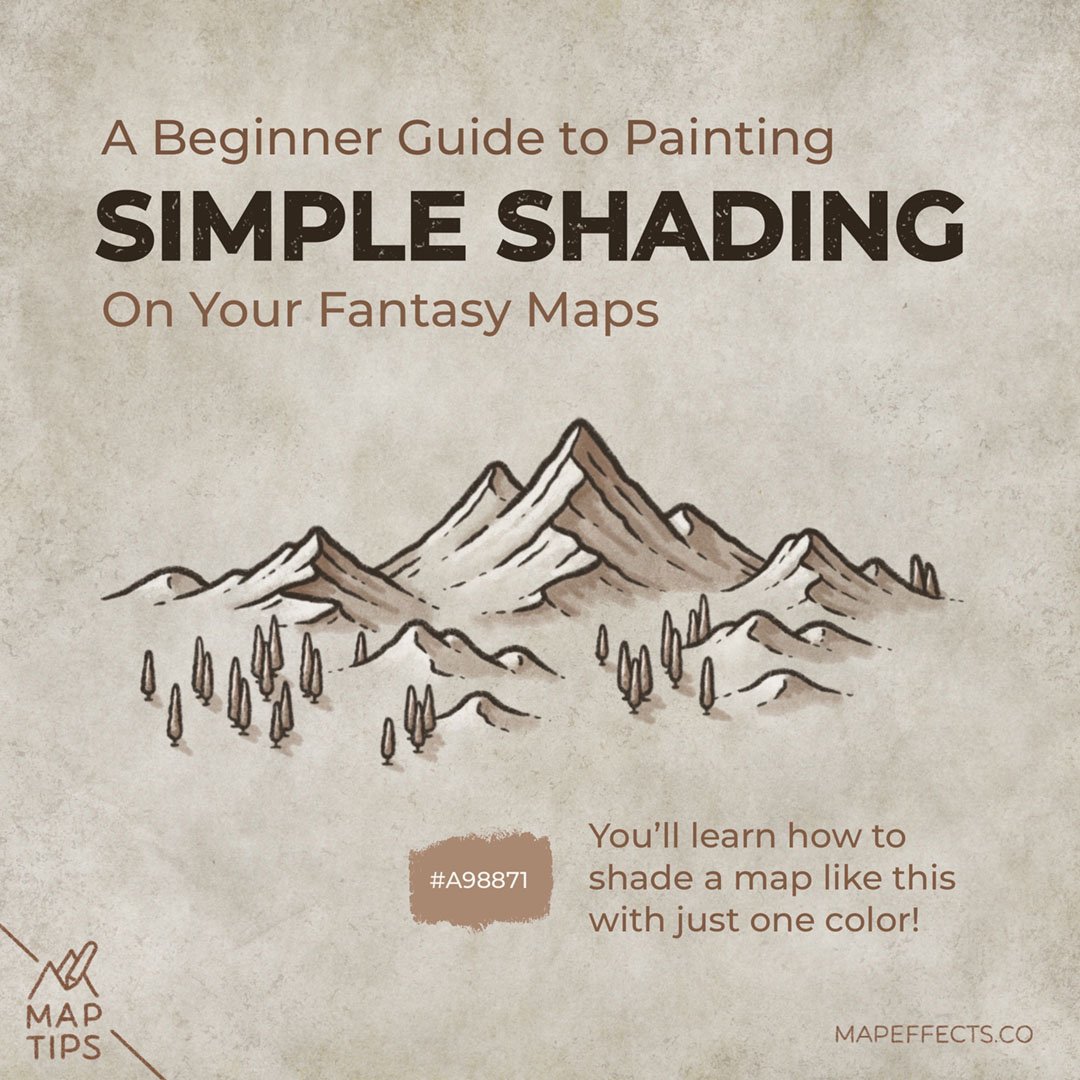
Adding shading to your fantasy map brings a whole new level of depth and texture that can help your readers or players visualize the landscape you've created. But if you don’t consider yourself an “artist”, then the idea of shading might feel very overwhelming. Between what colors to use, light direction, and form, it can be difficult to know where to begin.
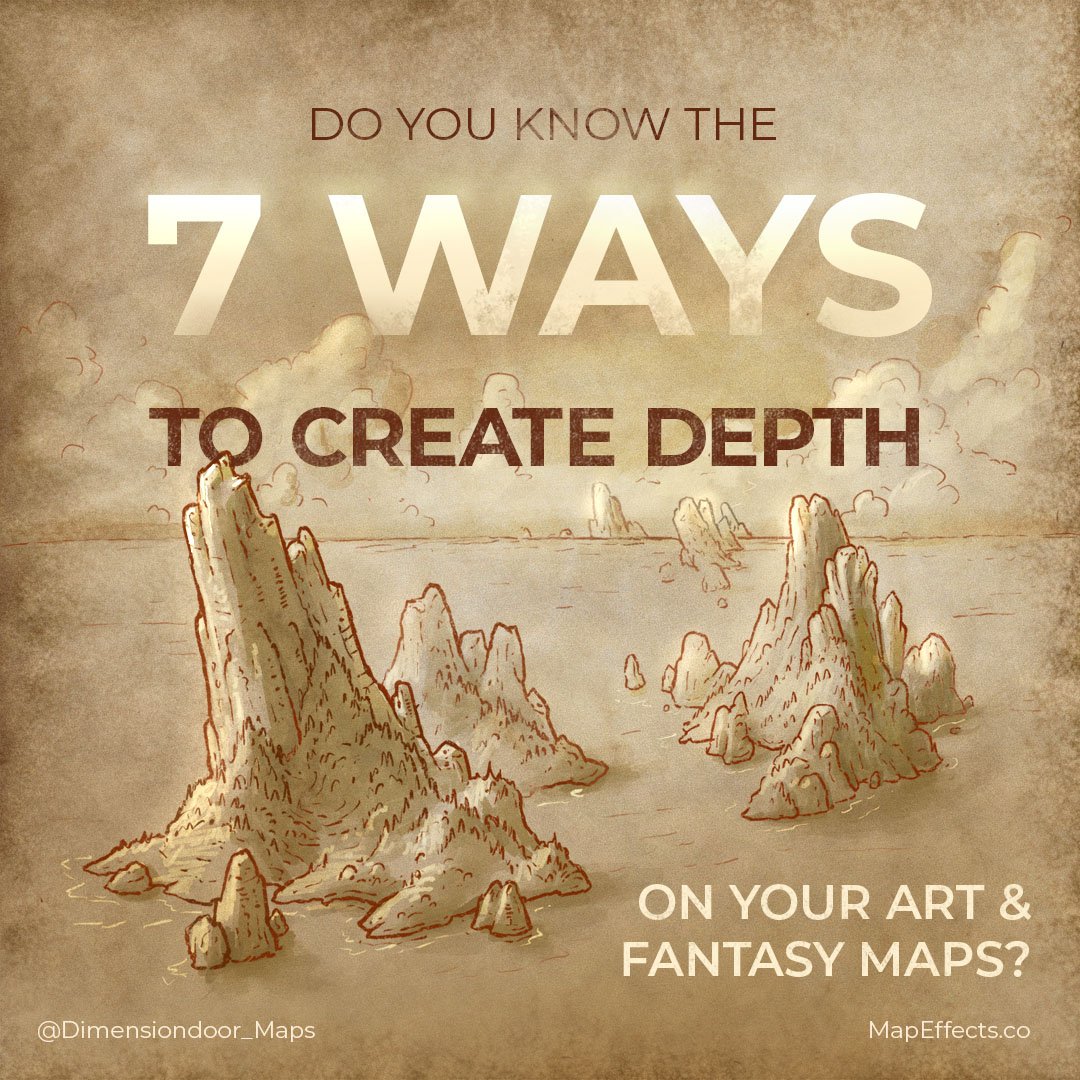
Do all the features on your fantasy map look a bit…flat? If you want to quickly step up the quality of your maps for the book you’re writing, or your next rpg campaign, then learning how to add some depth to can go a long way.
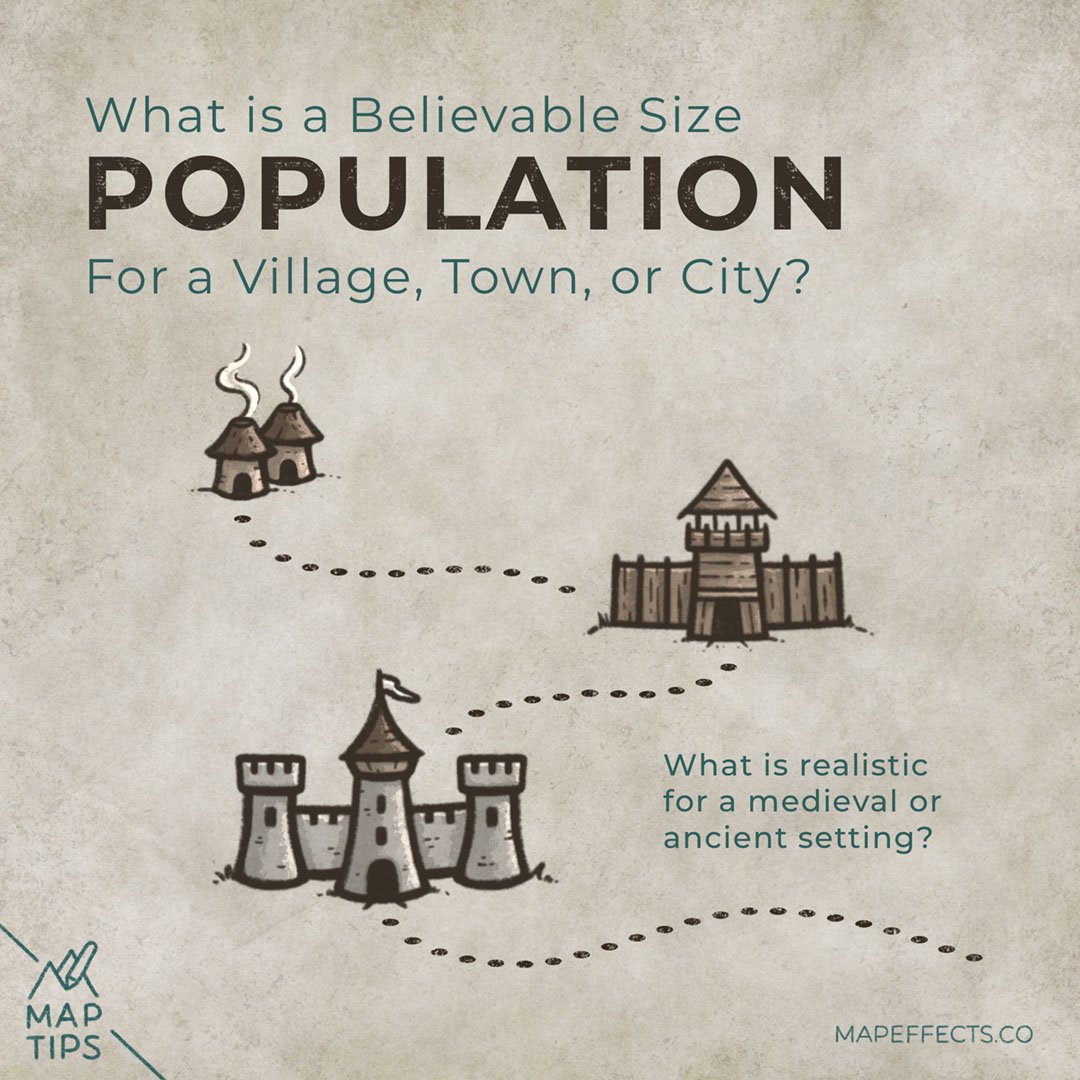
What is a realistic population size for a medieval or ancient fantasy setting? Should a city have a couple of million people? How about 500,000 or 20,000? Let’s delve in and give you some simple guidelines as well as a cheat sheet you can easily reference as you are writing your story and drawing your map!
Video Tutorials
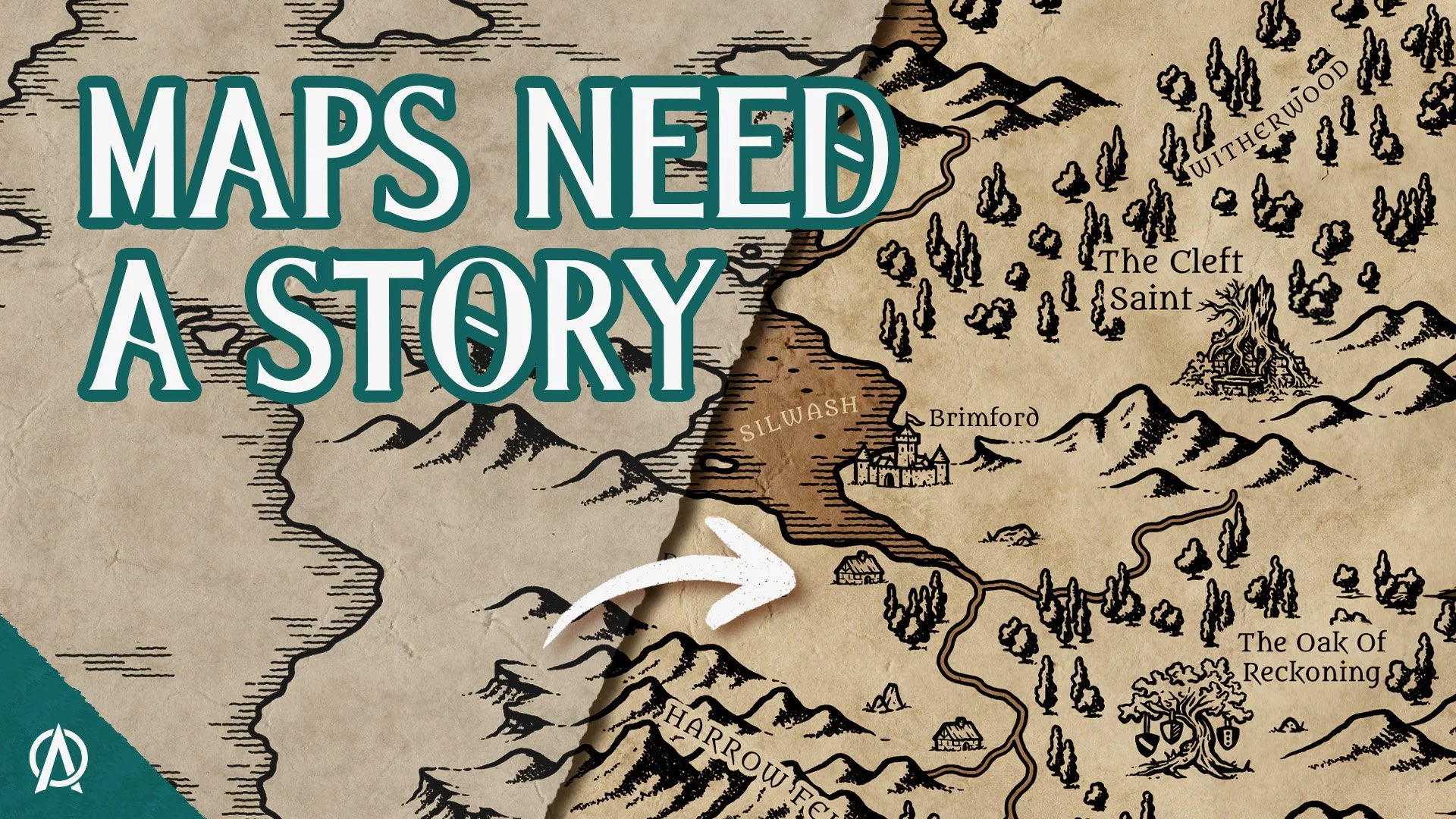
A beautiful fantasy map that's just a landscape still feels...empty. In this tutorial, I’ll share with you 5 Story Seeds you can add to your maps to make them feel alive. These simple worldbuilding ideas can help you create maps that don’t just show where your story takes place, but make people want to explore it.
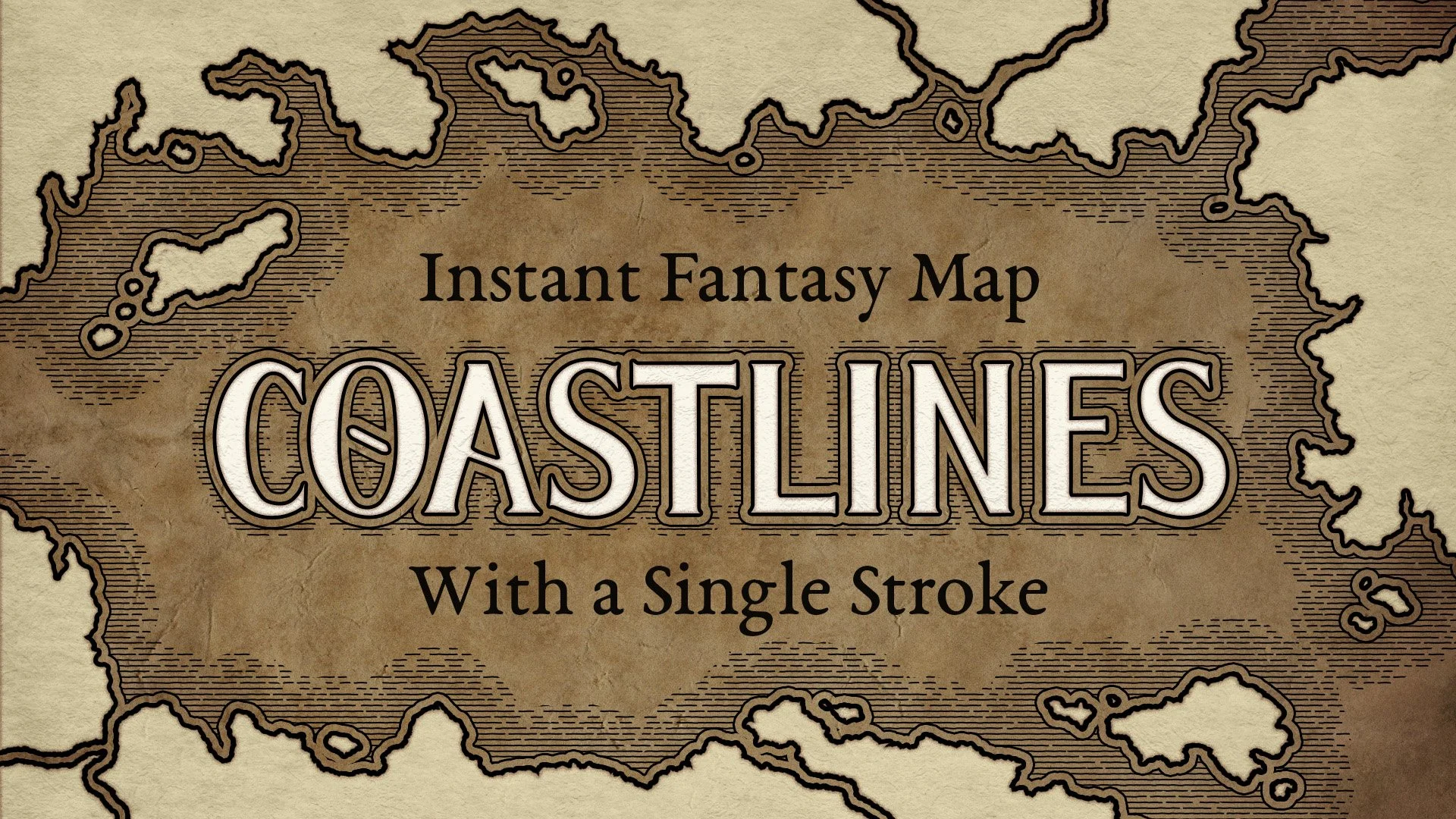
Learn how to draw natural looking fantasy coastlines in Photoshop using the Pendragon Coastliner. This step by step tutorial shows you how to create realistic shores and coastal hatching in just minutes.
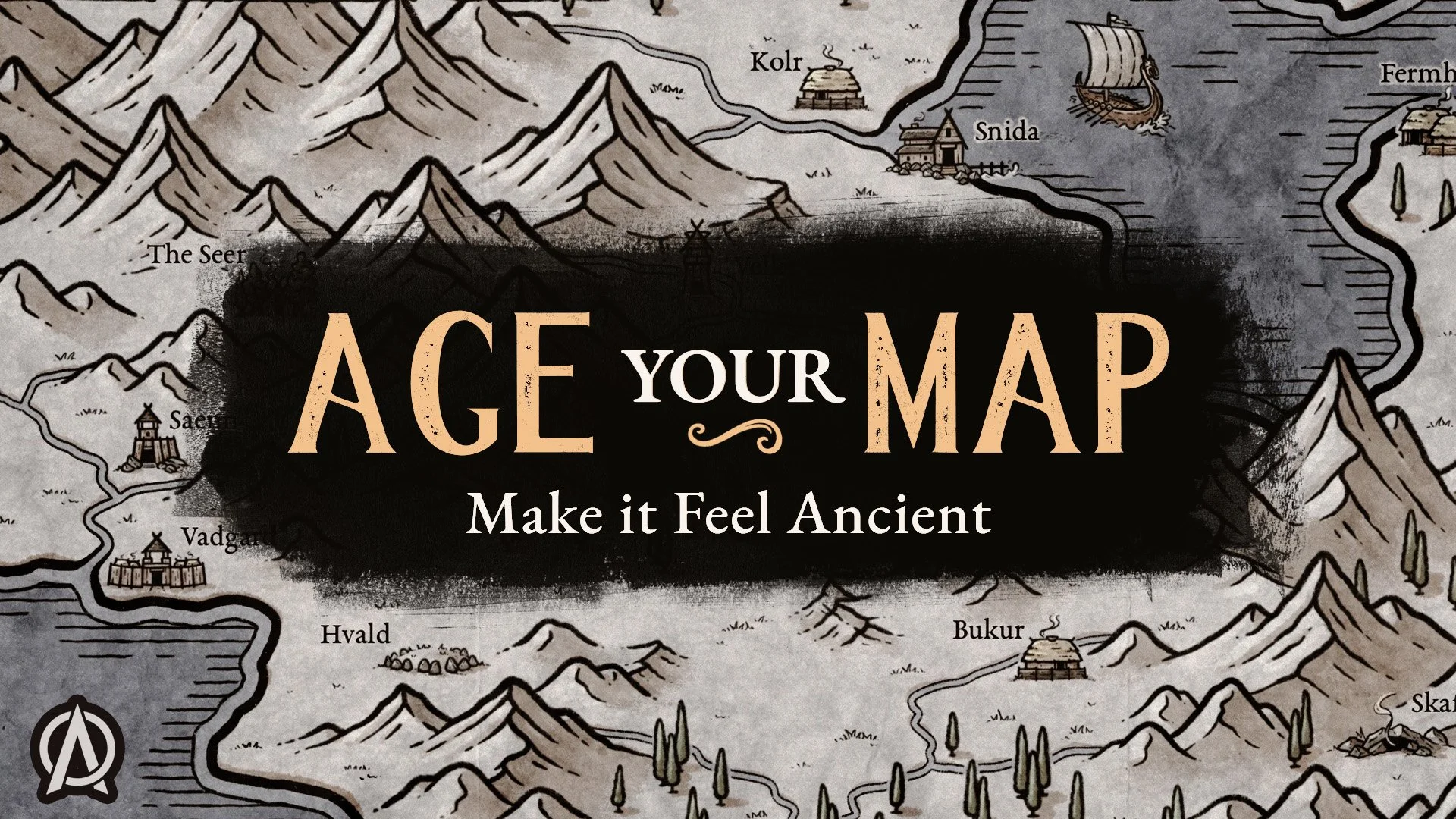
Learn how to add aged paper textures to fantasy maps using a simple layering technique. Make your maps feel like weathered artifacts with this step-by-step mapmaking tutorial.

In this tutorial, I’ll show you how to use the Inn & Tavern Map Builder in Procreate to quickly design hand-drawn interior maps for your next RPG campaign. Every brush, from walls, tables, swords, wizard staffs, rugs, and stables, were illustrated by hand so you get the classic fantasy map look without needing to learn how to draw. Perfect for dungeon masters who want to create a memorable environment for their players to explore.

In this video, I'll guide you through using the Desert Buildings Add-On Pack within Infinite Painter to create immersive desert-themed maps for your fantasy role-playing games. Whether you're a seasoned cartographer or a beginner, this tutorial will equip you with the skills to bring your desert adventures to life.

Want to add some roads to your city map, but aren’t sure the best way to utilize the brushes included in The City Map Builder? In this quick tutorial, I’ll walk you through a method anyone can use on their maps.
Map & Worldbuilding Blog
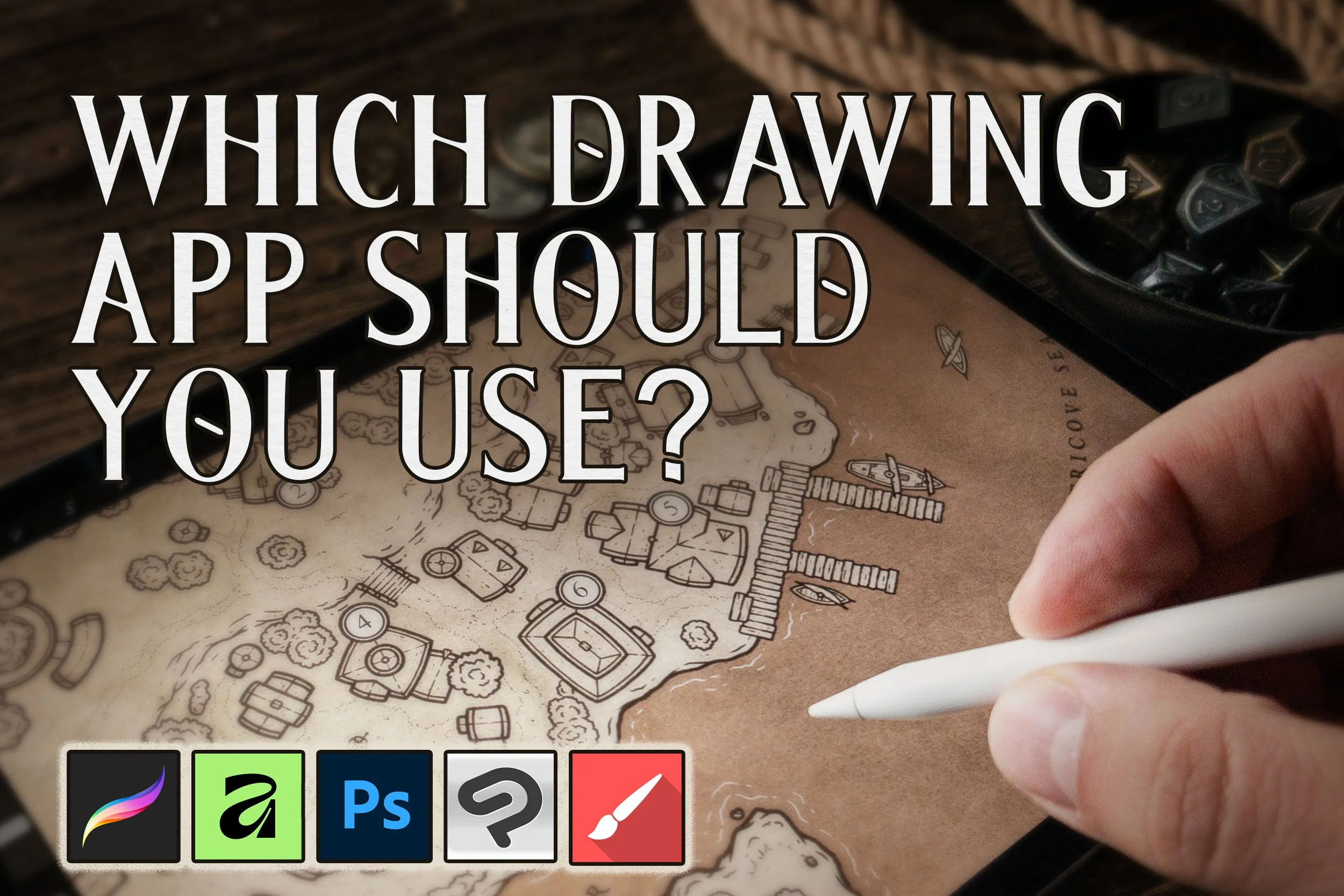
Not sure which drawing app to use for fantasy mapmaking? This guide compares Procreate, Affinity, Photoshop, Clip Studio Paint, and Infinite Painter to help you choose the best option for your device and workflow.
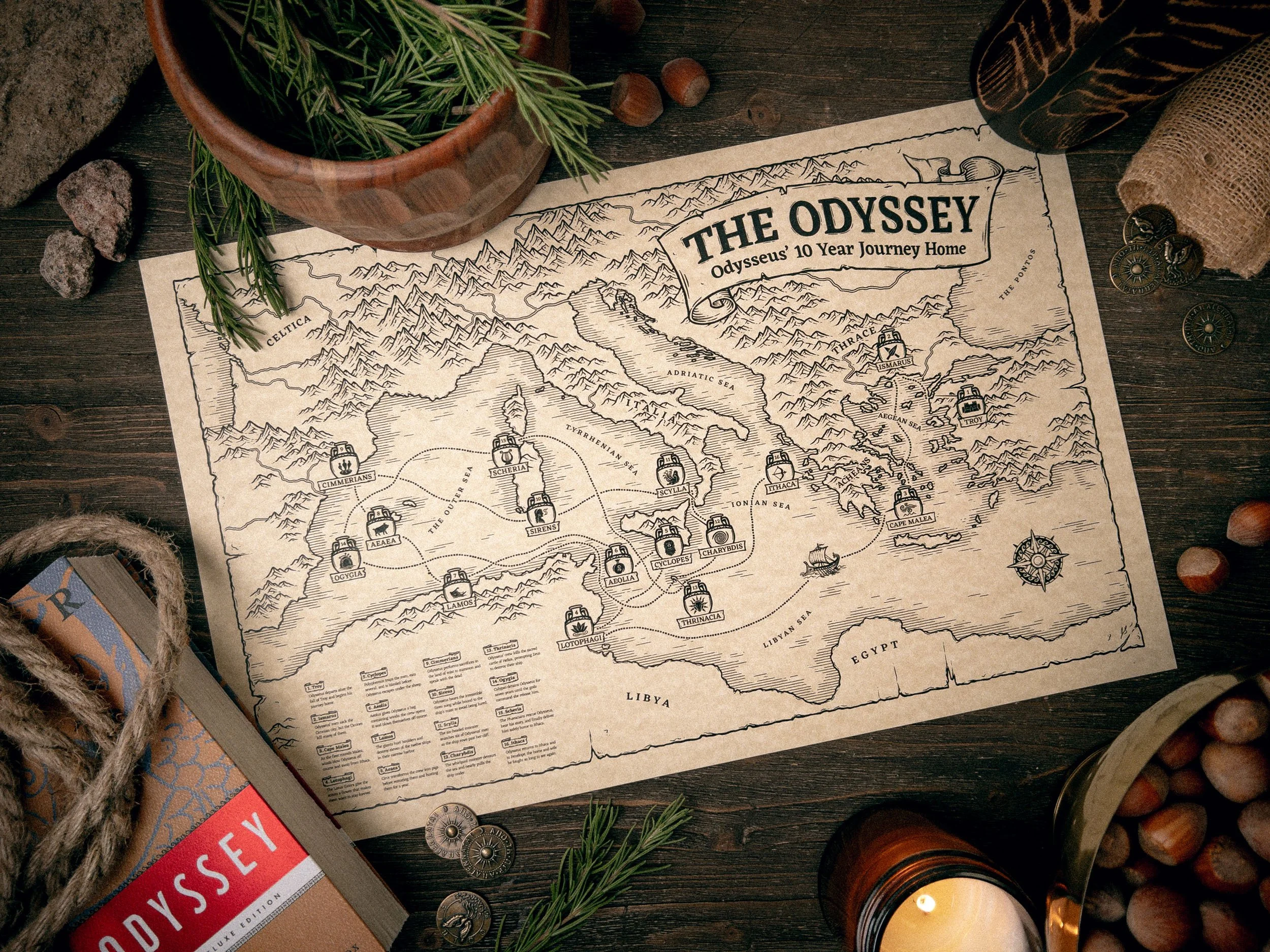
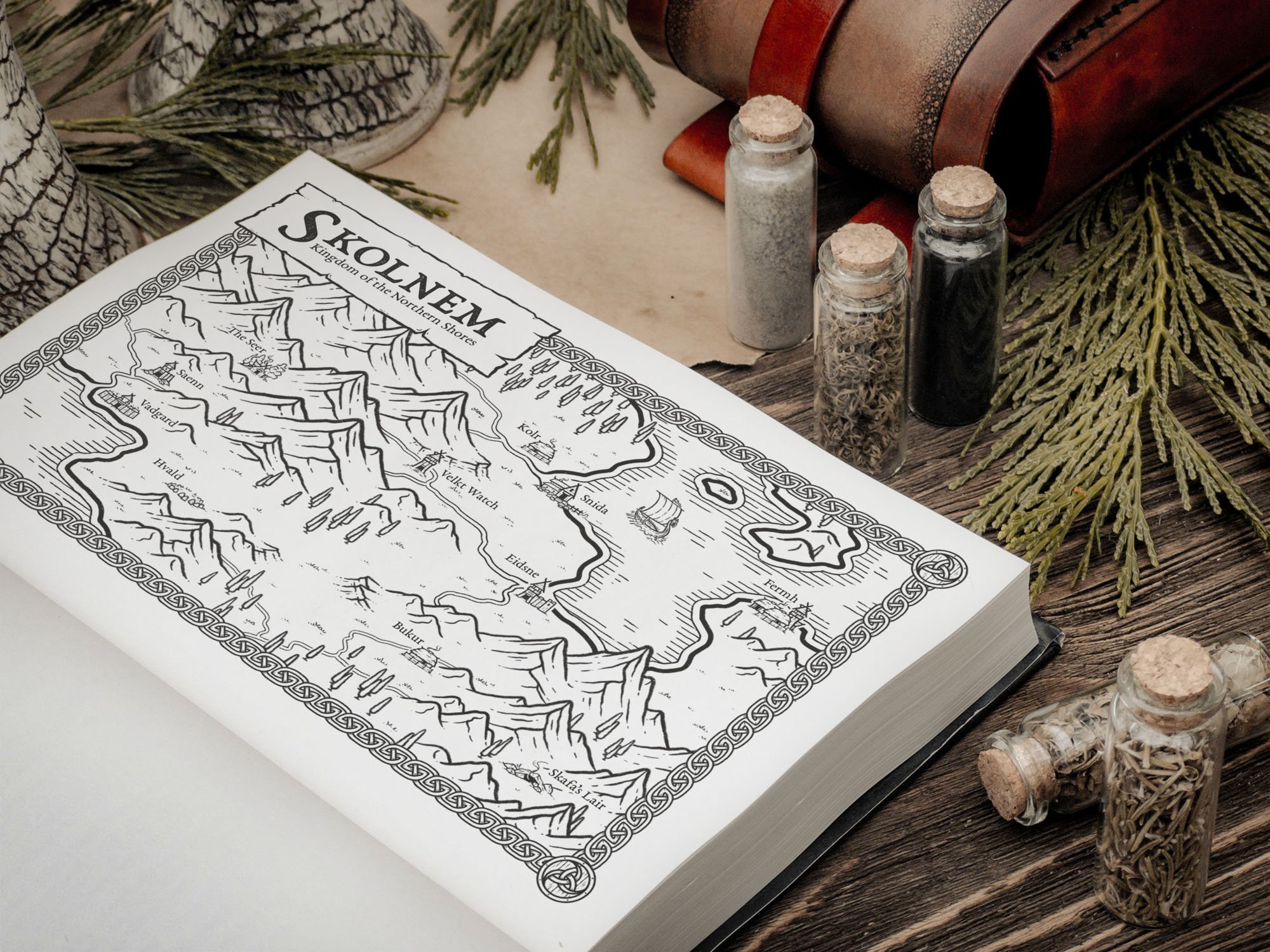
Creating your own fantasy world is frankly a lot of fun, but it can quickly become overwhelming. With so many locations, cultures, and events to keep track of, it's easy to get lost in the details of your own world. Here are 5 reasons you should grab a piece of paper and start mapping your story!
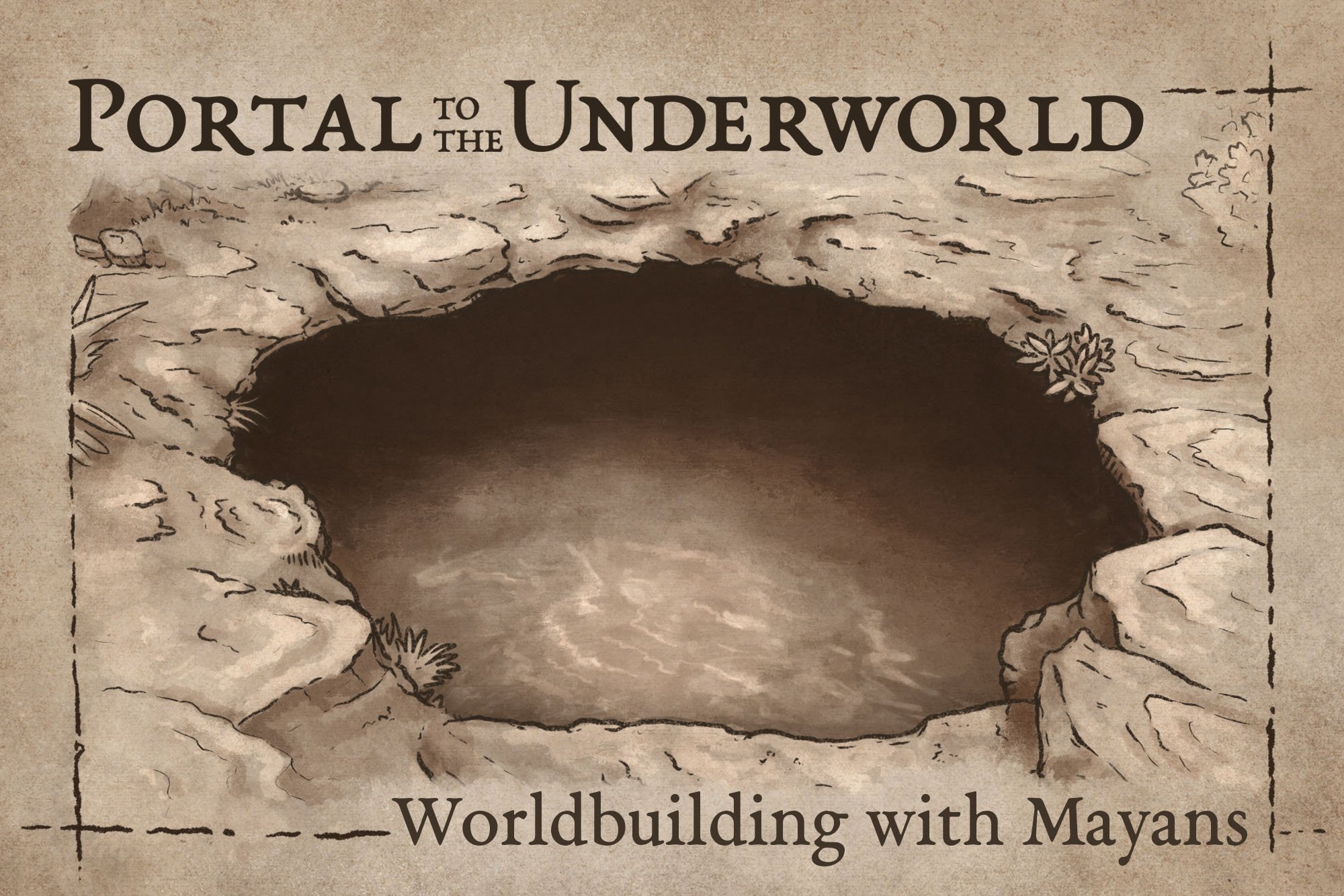
Everyone knows you need to draw rivers on your fantasy map if you want it to be realistic…right? Access to fresh water is necessary for cities and villages to thrive, but did you know that despite the Mayans living in a region where jungles could flourish, the area is nearly devoid of rivers? How could they not only survive, but build one of the most impressive civilizations we only now are beginning to recognize?
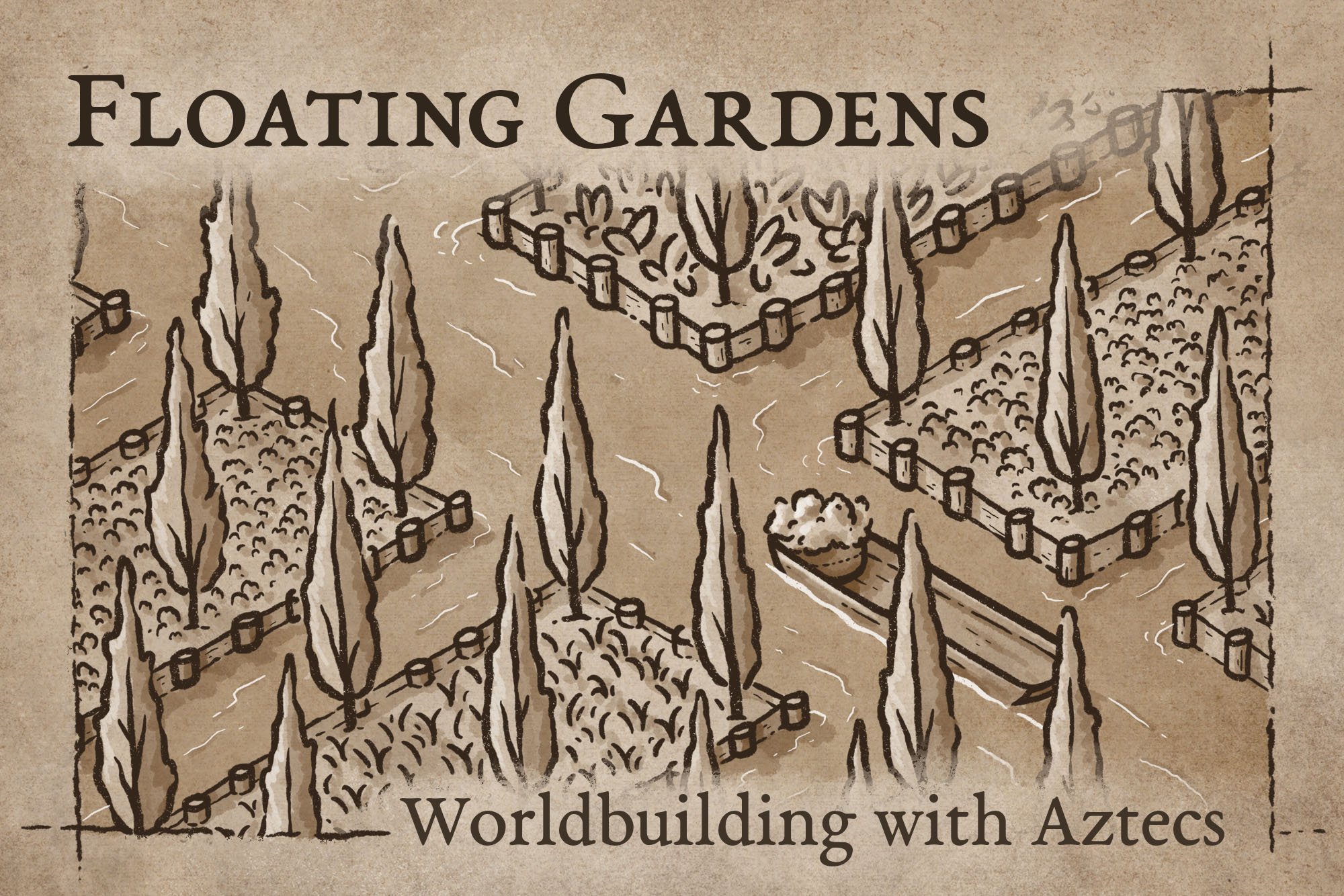
Cities and villages obviously need food to survive, so like the rest of us you’ve probably found yourself drawing the same rows of fields all around your fantasy map for your city or village. But what if you want to create something a little more interesting and make your worldbuilding stand out? It turns out with a little digging, you can find some fascinating and effective methods for farming in unlikely places throughout history. The floating gardens of the Aztecs or “chinampas” are a perfect example.